Analysis of Circular Economy Interventions during the Demolition and Enabling Phase of a Construction Project: An Irish Case Study
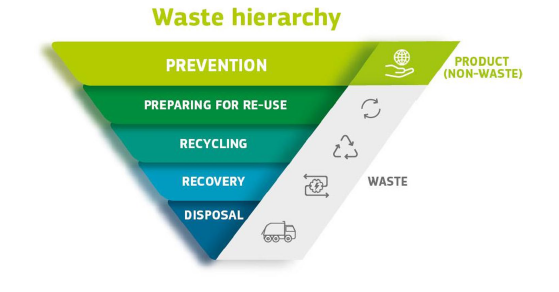
The global construction industry is the world’s largest consumer of raw materials and creates an estimated third of the world’s overall waste. A circular economy is one that aims to keep products, components and materials at their highest utility and value at all times. The Opera Square site development project is being utilised as a Lighthouse Demonstrator Project for the Circular Built Environment. The site is a brownfield site located in the heart of Limerick City. The transformational commercial development which commenced in 2022 consists of office, retail, residential and public buildings on a 3.7-acre site. During the demolition and enabling phase of the project, a number of buildings were demolished. Prior to demolition, a pre-demolition audit was undertaken. The purpose was to identify the type and quantities of the materials that would arise from the demolition works and possible opportunities to implement circular economy principles.
This research paper will conduct a case study on the Opera Square project located in Limerick, Ireland, evaluating the circular economy interventions implemented during the demolition and enabling phase of the project. The study aims to assess the effectiveness of the interventions in achieving a diversion rate for construction and demolition material from landfill of 98% through on-site and off-site re-use of construction materials, the re-use of material as a piling mat diverted 87% of construction and demolition material from landfill. A life cycle analysis was undertaken and determined a reduction of at least 66% in the embodied carbon global warming potential compared to a business-as-usual construction practice for the piling mat. There are lessons learned from this project that can be applied to future projects, one being the full realisation of opportunities for further reuse of material through the end-of-waste and by-product mechanisms.
Achieving the full potential of a circular economy in the built environment requires collaboration among stakeholders, with initiatives that promote community engagement being particularly impactful in creating both social, environmental and economic benefits through a Circular Economy.