Manica Community Center/
CAS Studio
Project Details

Location(City/Country):
Manica / Mozambique
Tipology:
Community
Year (Design/Construction):
2012 / 2013
Area (Net/Gross):
200 m2 / -
Operational Carbon emissions (B6) kgCO2e/m2/y:
-
Embodied Carbon emissions (A1-A3) kgCO2e/m2:
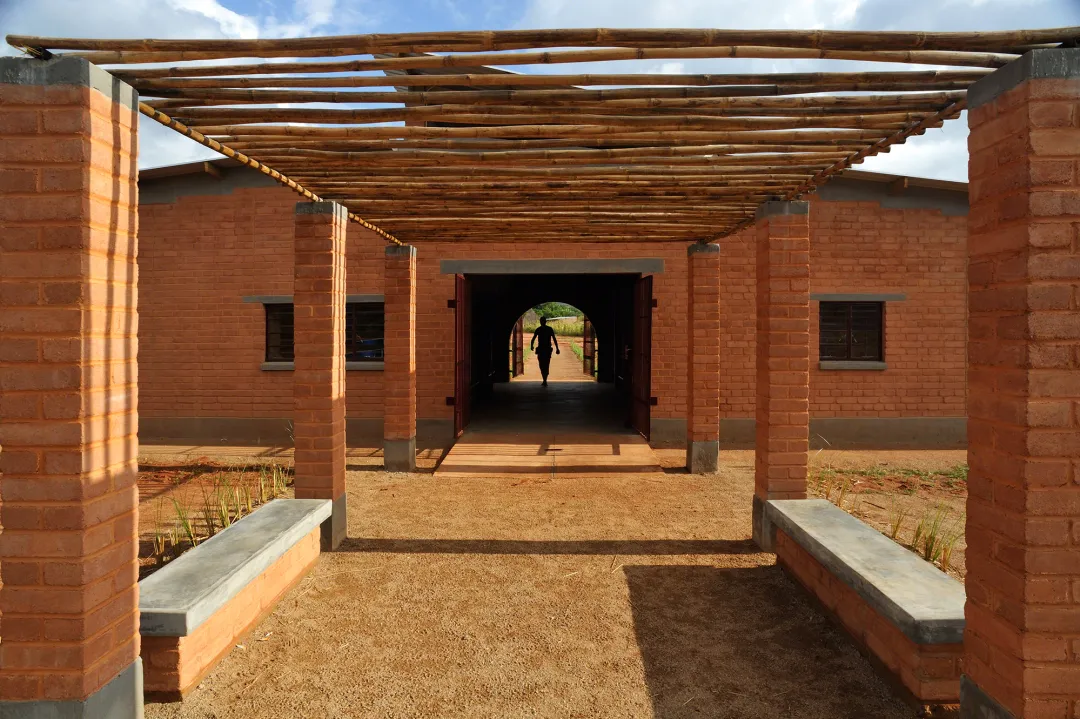
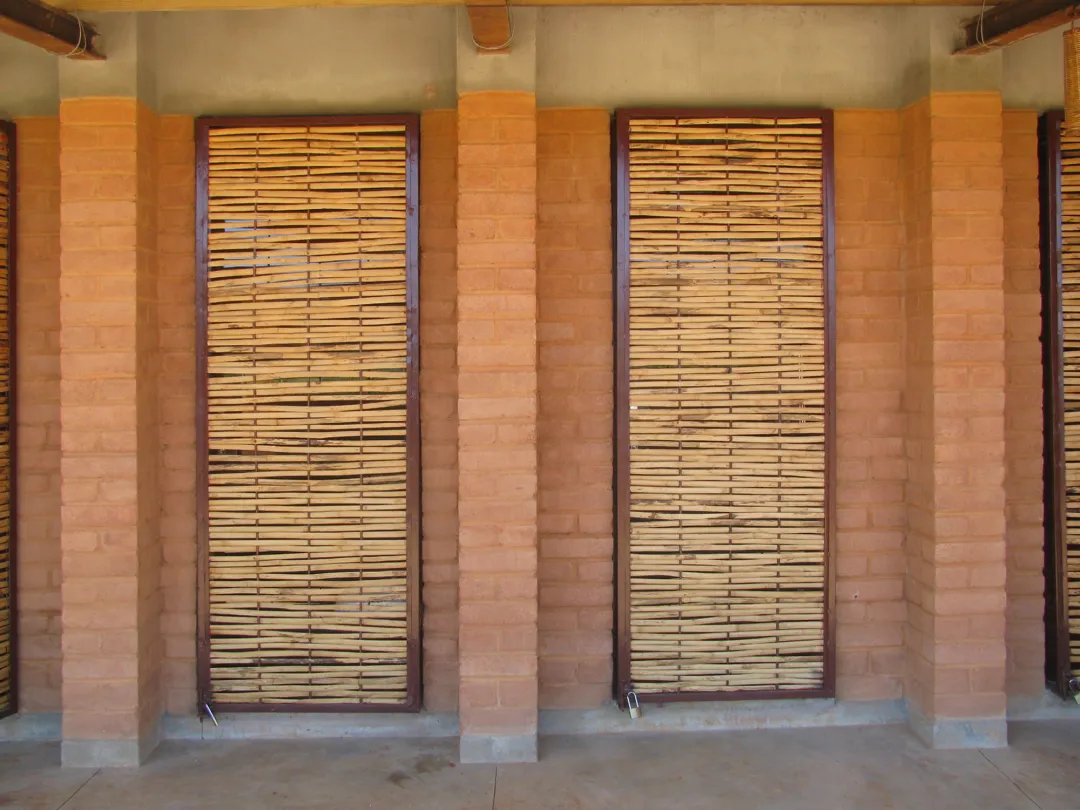
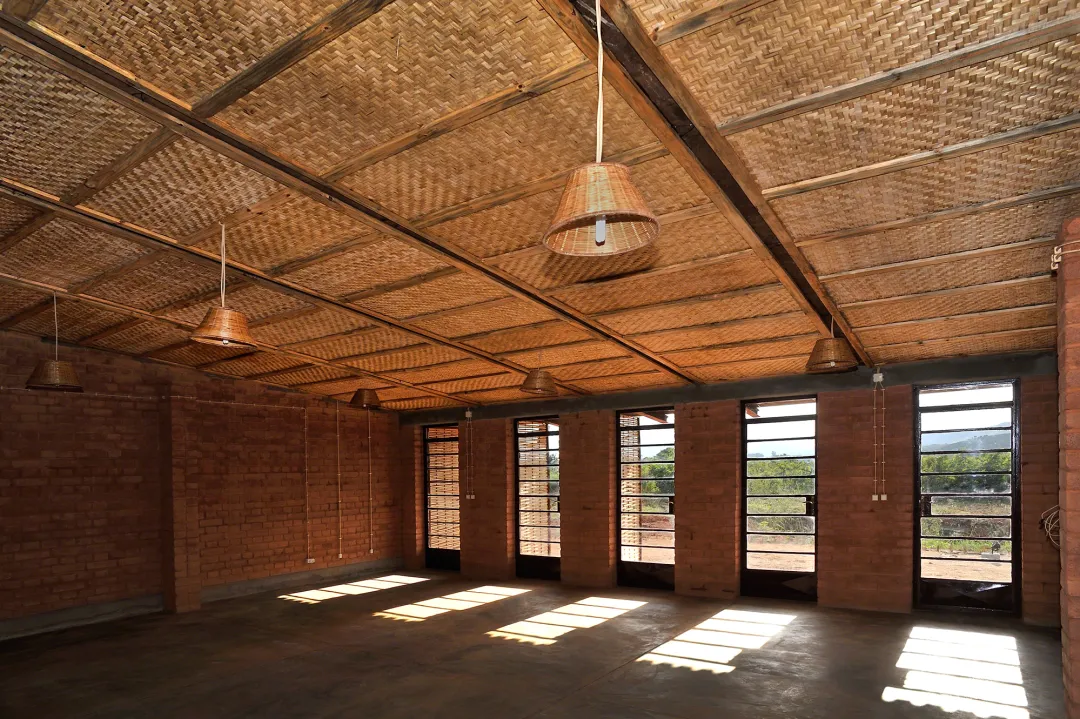
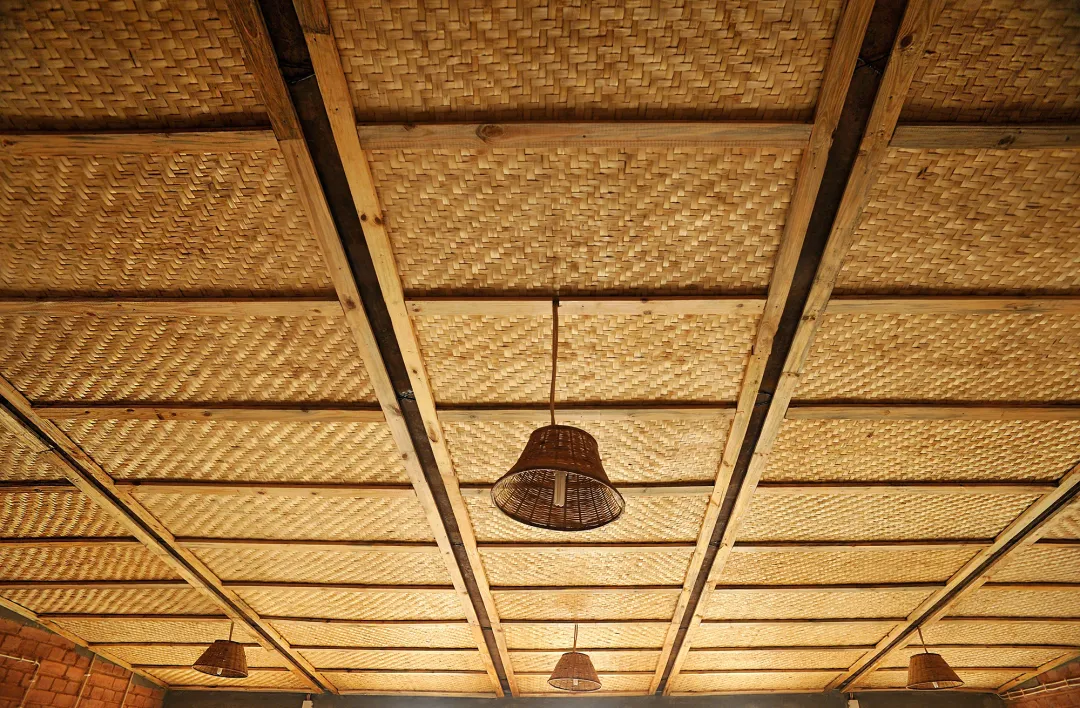
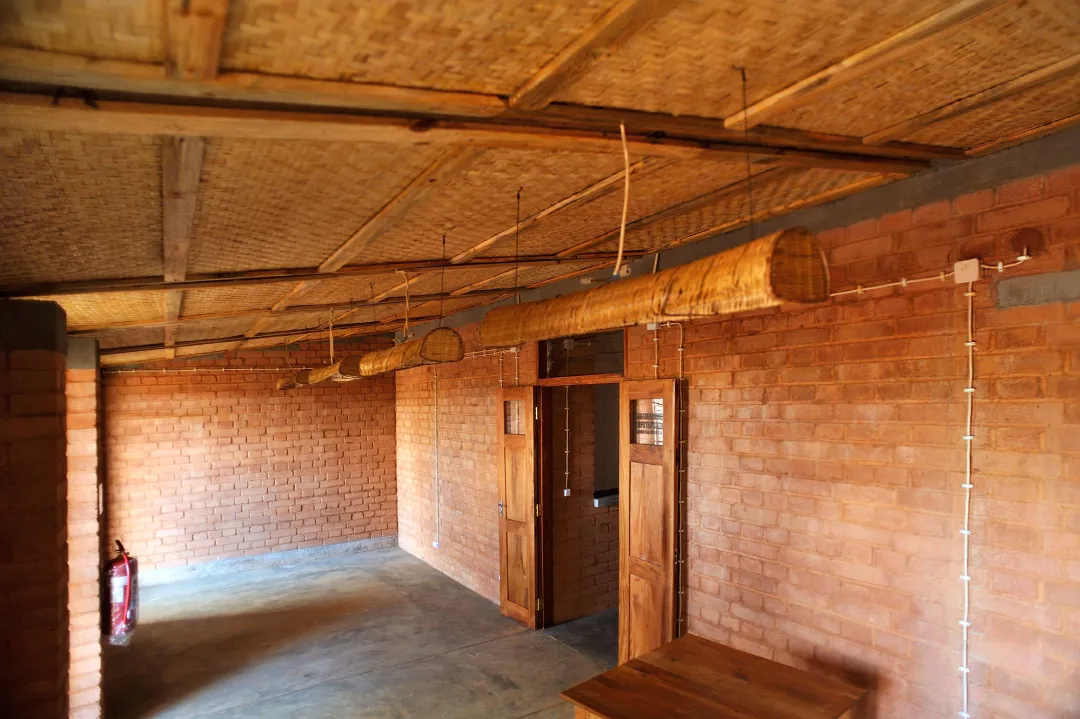
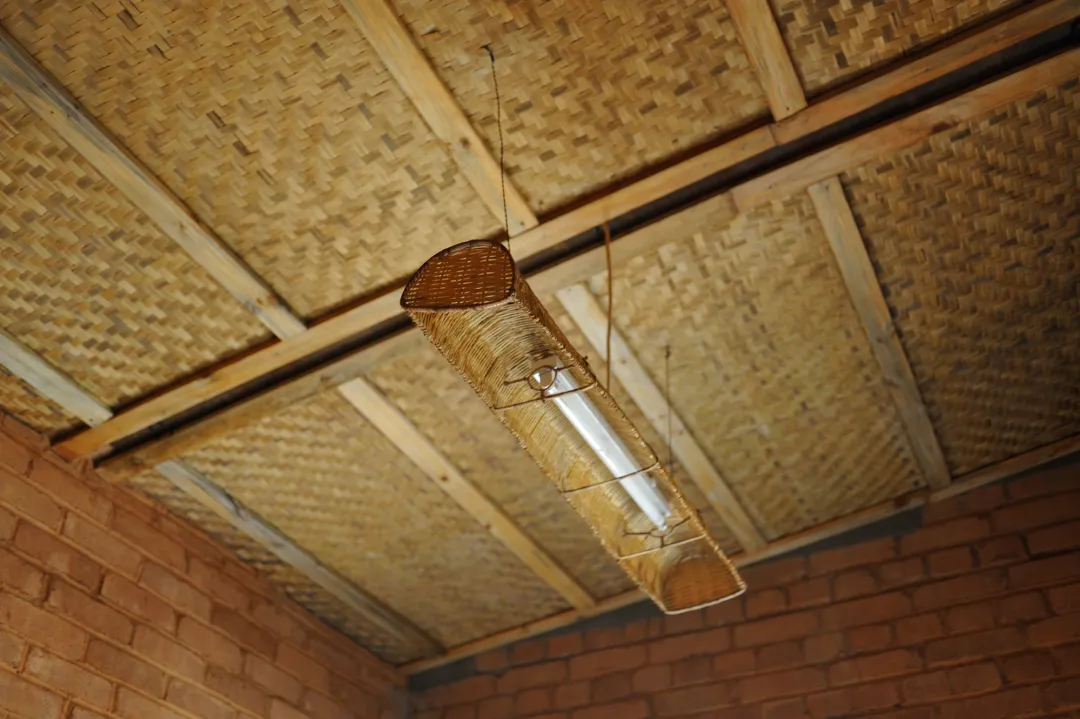
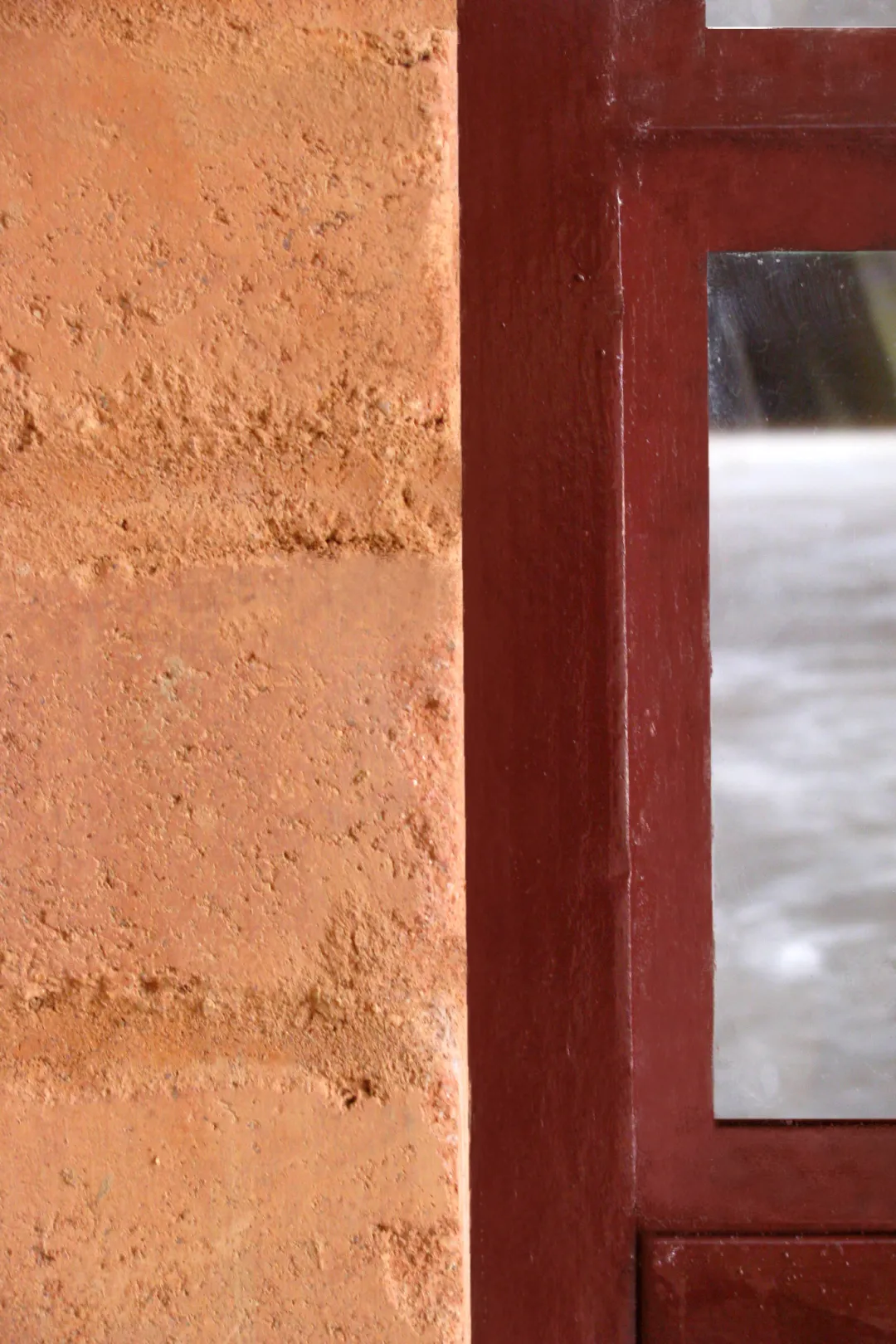
-- Compressed earth blocks, clay coatings, wood, bamboo, and cyclopean concrete were employed in the foundations. This reduces the carbon footprint by avoiding the transport of external materials and makes use of resources available in the region.
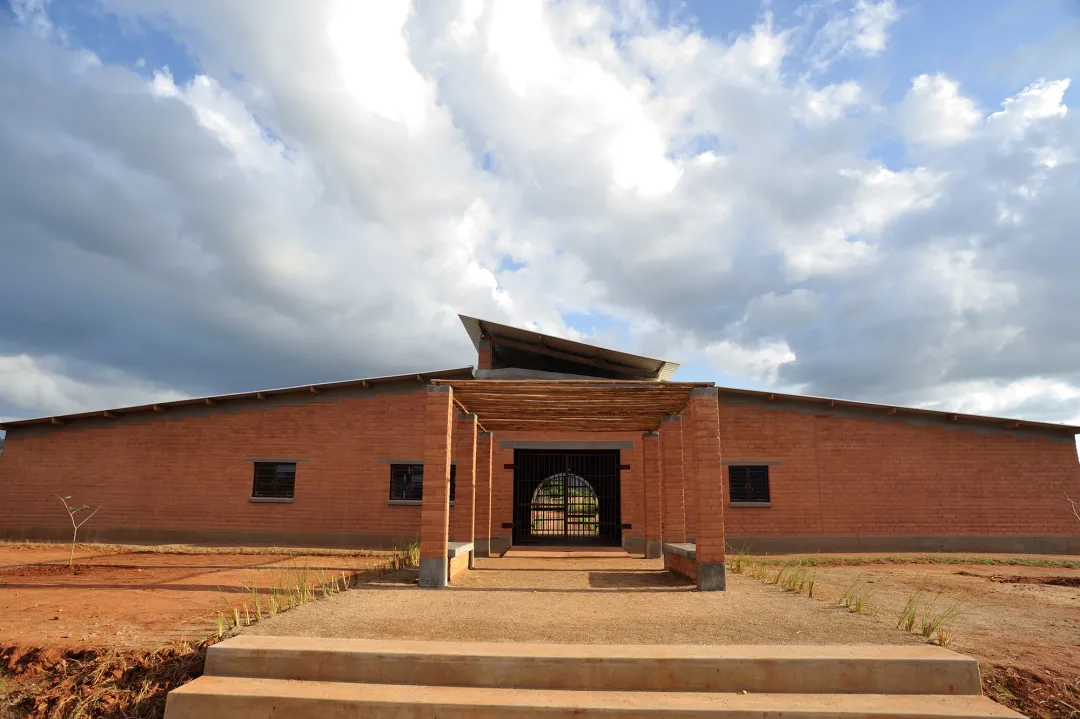
- The design is inspired by traditional Mozambican architecture, adapting local masonry techniques. Mechanical strength and environmental properties of the materials were enhanced while preserving cultural identity.
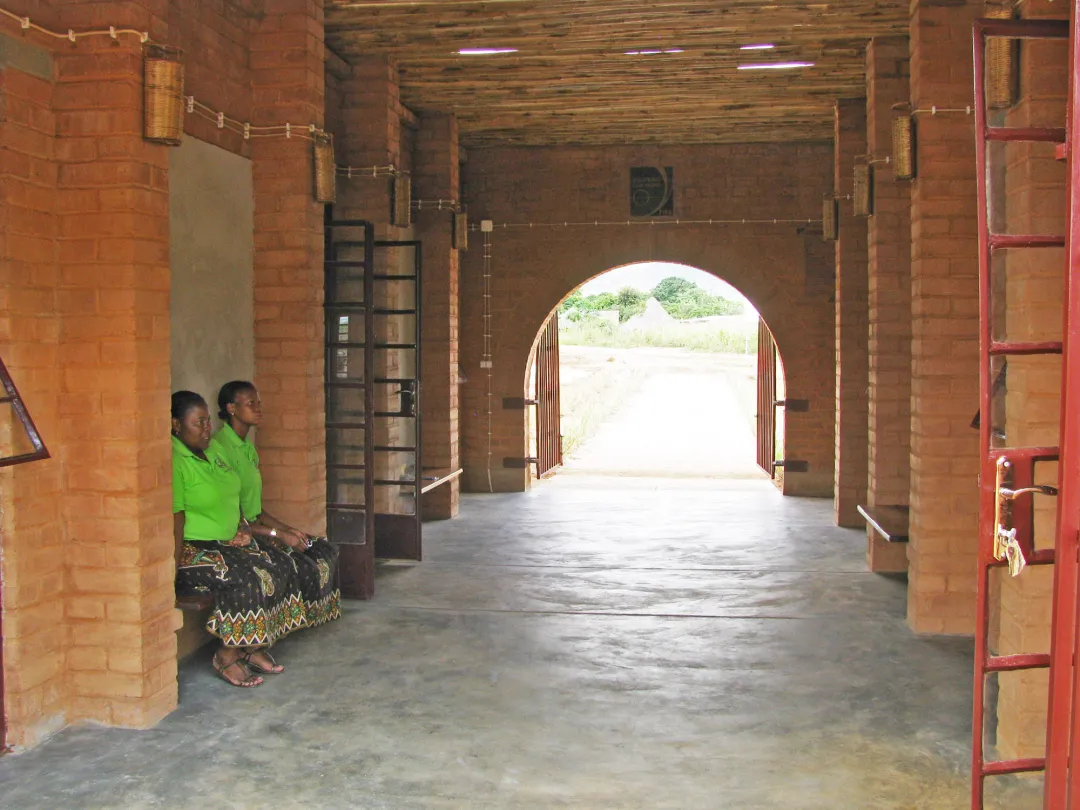
- The earth used provides thermal mass, regulating indoor temperature and reducing the need for artificial climate control. Its permeability to water vapour supports the natural transpiration of the walls, improving indoor air quality.
Included in the FFH 20 community centres in Africa, sponsored by Architecture for Humanity, sfw and financed by FIFA.
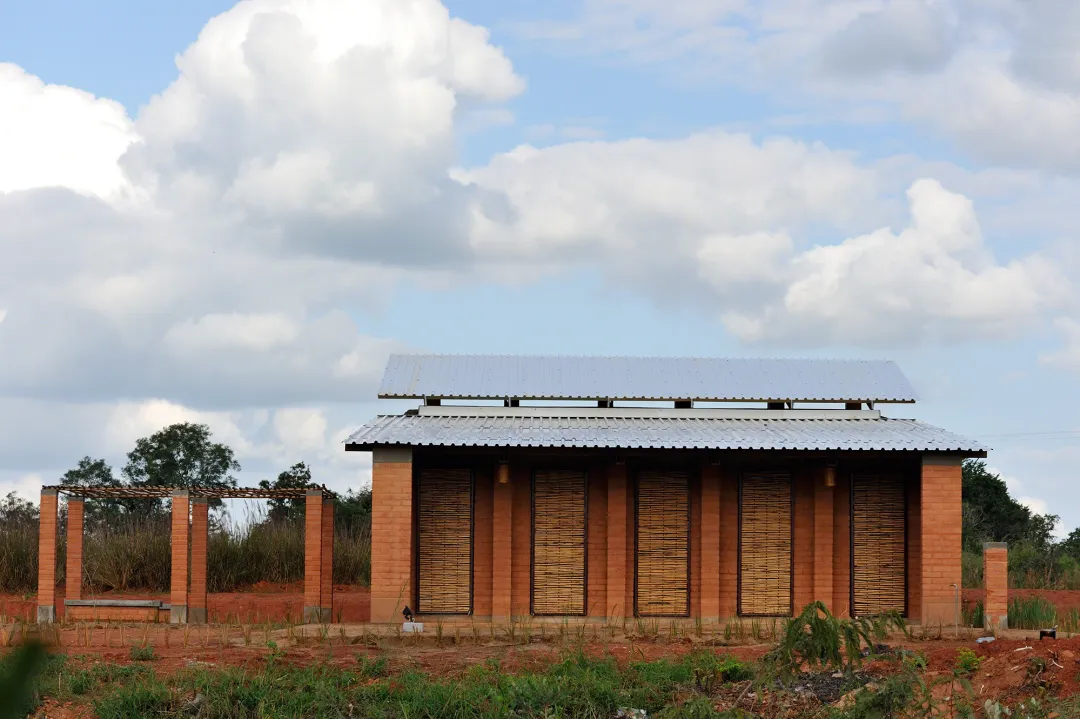
The Manica Community Center was designed by Alina Jeronimo and Paulo Carneiro and built with local and environmentally friendly materials, forming a local team of 40 workers and integrating the local community in the development process and construction of the project.
The community center’s design evokes the local vernacular architecture. It made a strong link between the building and its environment, and through the material, the earth structure becomes part of the cultural landscape. Furthermore, the concept is to combine and optimise local techniques with local materials, upgrading a local building culture based on masonry but improving it in terms of its mechanical resistance and environmental properties.
This minimises costs and maintains the main advantage, the use of local earth and its properties, such as thermal mass and water vapour permeability.
The design process of the building is a dynamic balance between environmental, cultural, social and economic features, which creates a unique expression of the local traditional aspects and knowledge while being contemporary as well.
Materials:
earth (compressed earth blocks, plasters), wood, steel, bamboo, cyclopean concrete (foundations)
- Partners: Architecture for Humanity, sfw, FIFA
- Consultants: José Forjaz (Architecture), BETAR (Engineering), Olivier Moles (Structures)
- Client/Beneficiary: GDM
- Photos: CAS Studio
Video – Manica Community Centre