Larun House/
Zarcola Architetti
Project Details

Location(City/Country):
Tregnago, Verona / Italy
Tipology:
Renovation Residential
Year (Design/Construction):
- / 2024
Area (Net/Gross):
90 m2 / -
Operational Carbon emissions (B6) kgCO2e/m2/y:
-
Embodied Carbon emissions (A1-A3) kgCO2e/m2:
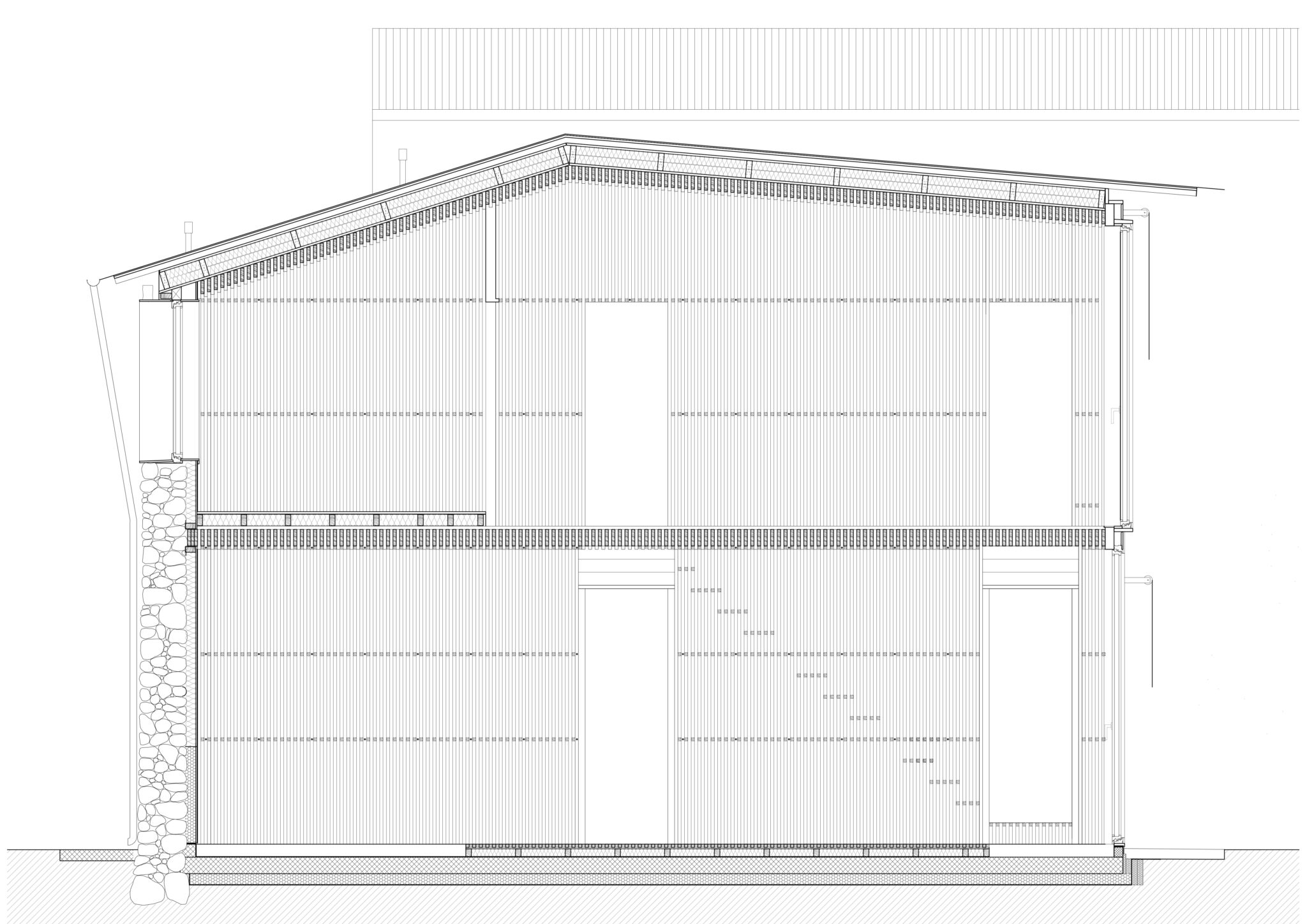
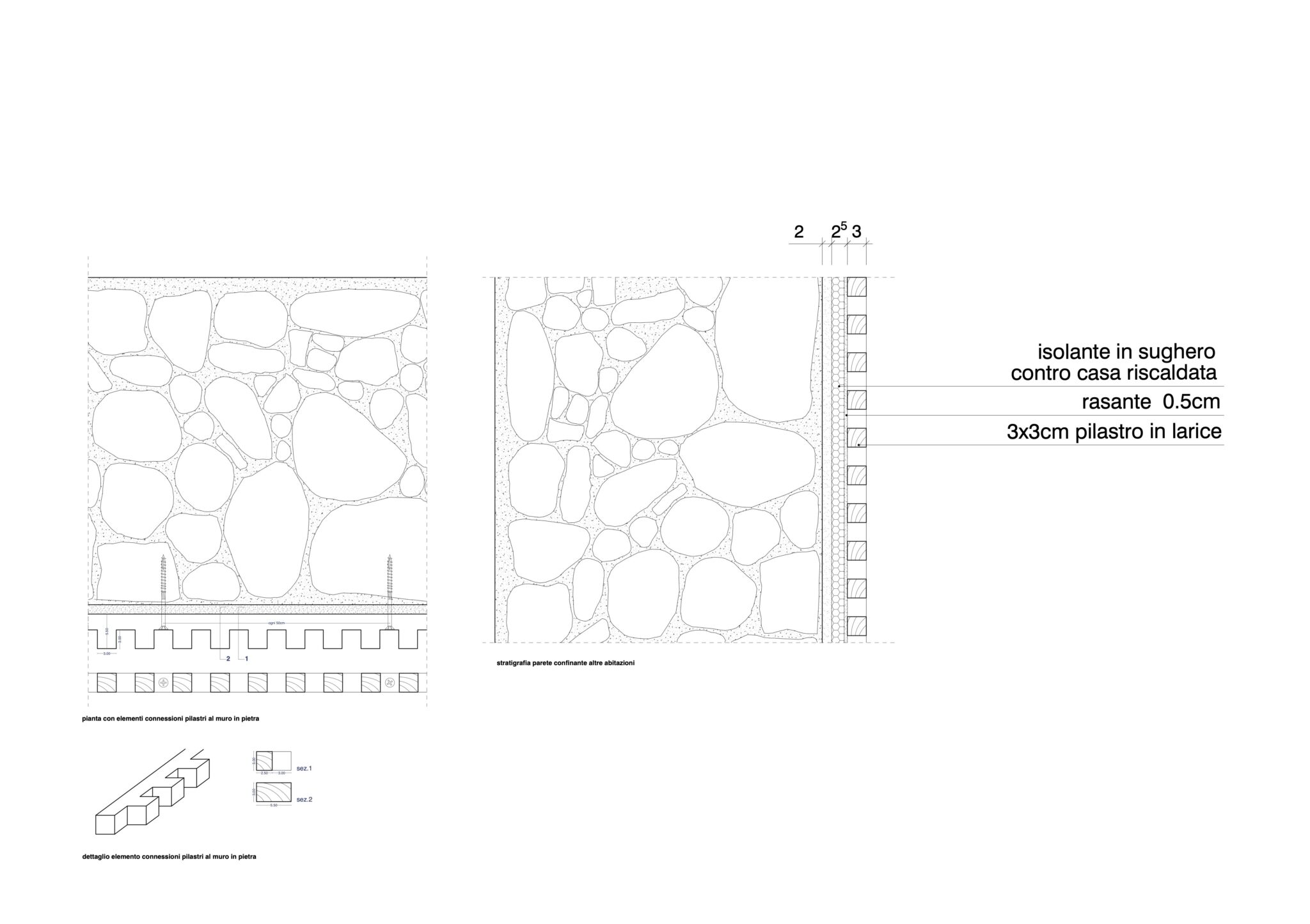
-- Larun House combines a lightweight modular timber framework with existing stone walls, reducing the need for new materials and extending the life of the original building. This hybrid system enhances seismic performance while minimising environmental impact.
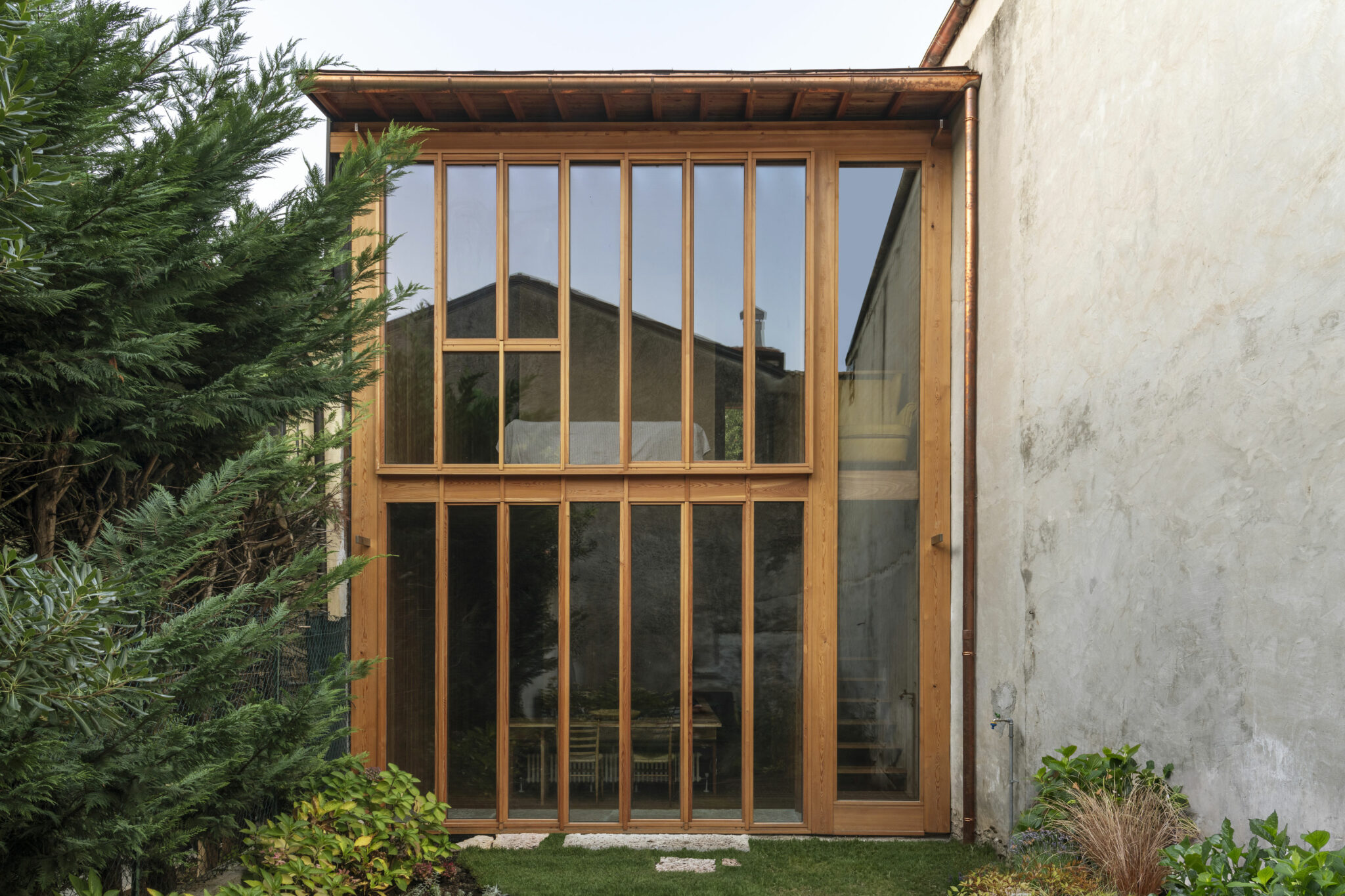
- The house leverages its north–south orientation to optimise comfort and energy use. The enclosed northern façade improves insulation and reduces heat loss, while the fully glazed southern façade maximises passive solar gain and natural daylight.
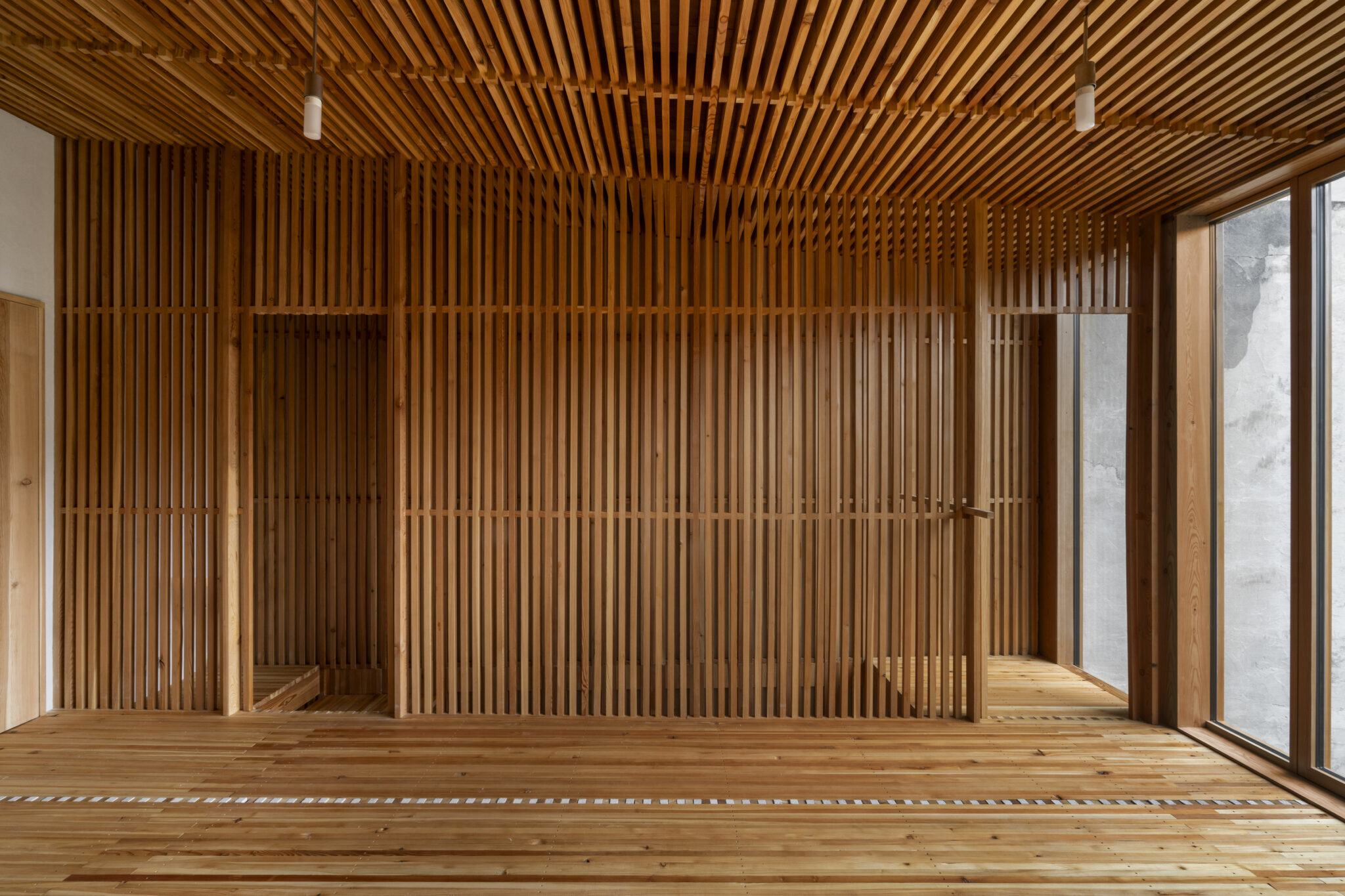
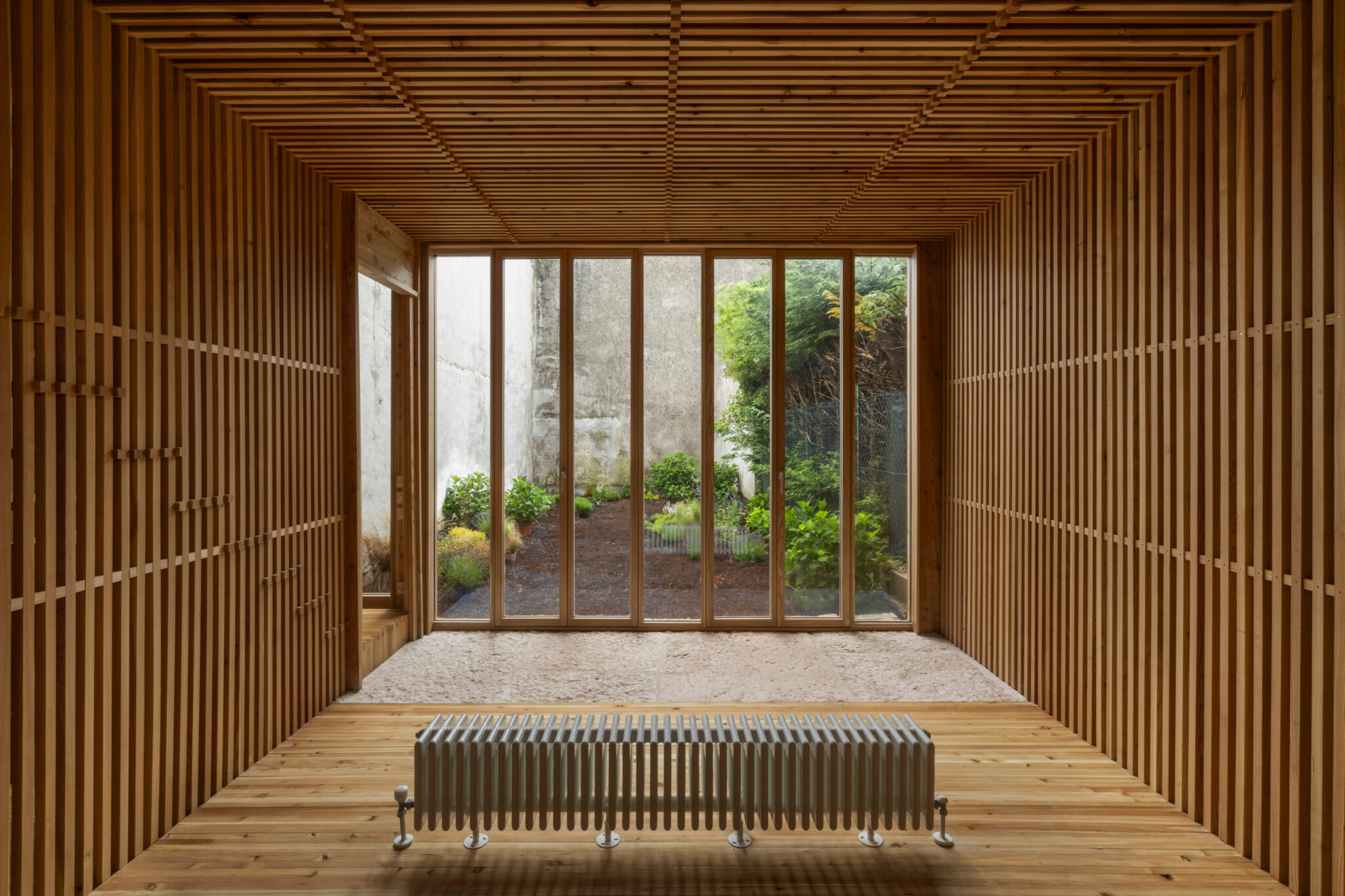
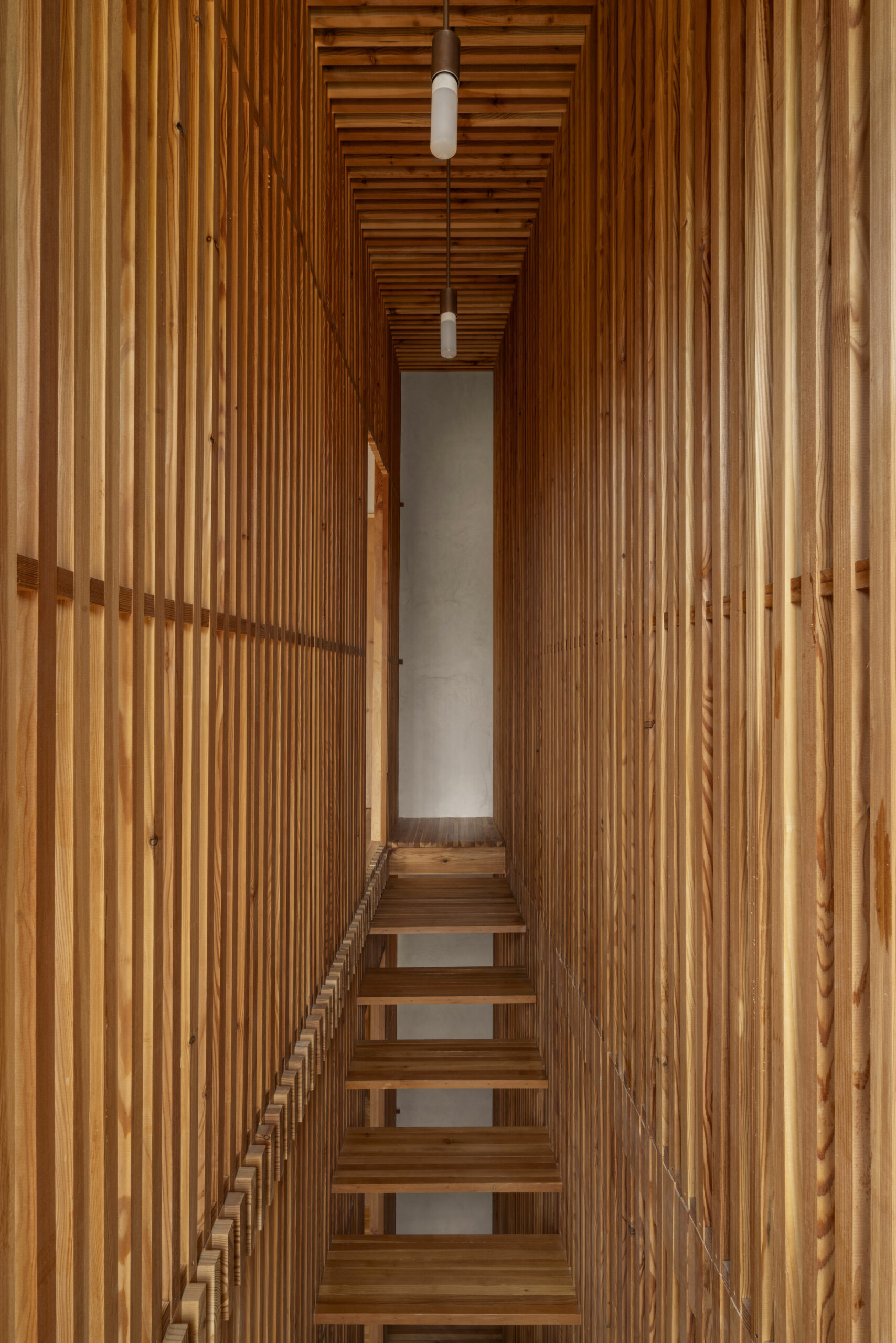
- The 3 cm modular system and the use of slender 3 × 3 cm timber pillars significantly reduce material consumption. The “wood comb” elements streamline assembly and support a more efficient, low‑waste construction process.
- By transforming a former barn rather than building anew, the project preserves local heritage, reduces demolition waste, and limits the carbon footprint associated with new construction.
Larun House is a contemporary renovation set within the rural village of Tregnago, Verona. Designed by Zarcola Architetti, the project transforms a former trapezoidal barn into a warm and efficient home, where the architectural heritage of Lessinia meets an innovative modular timber system.
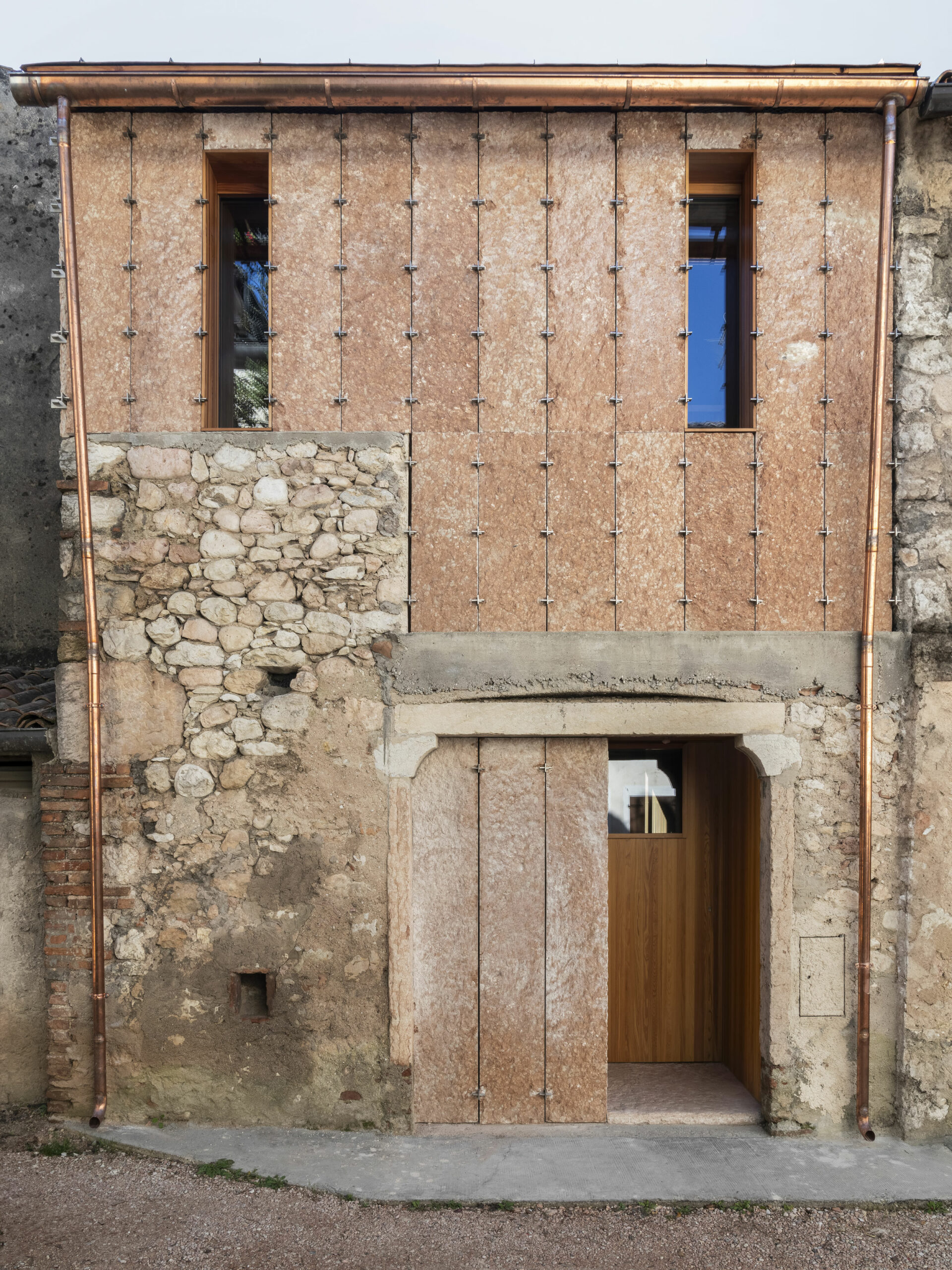
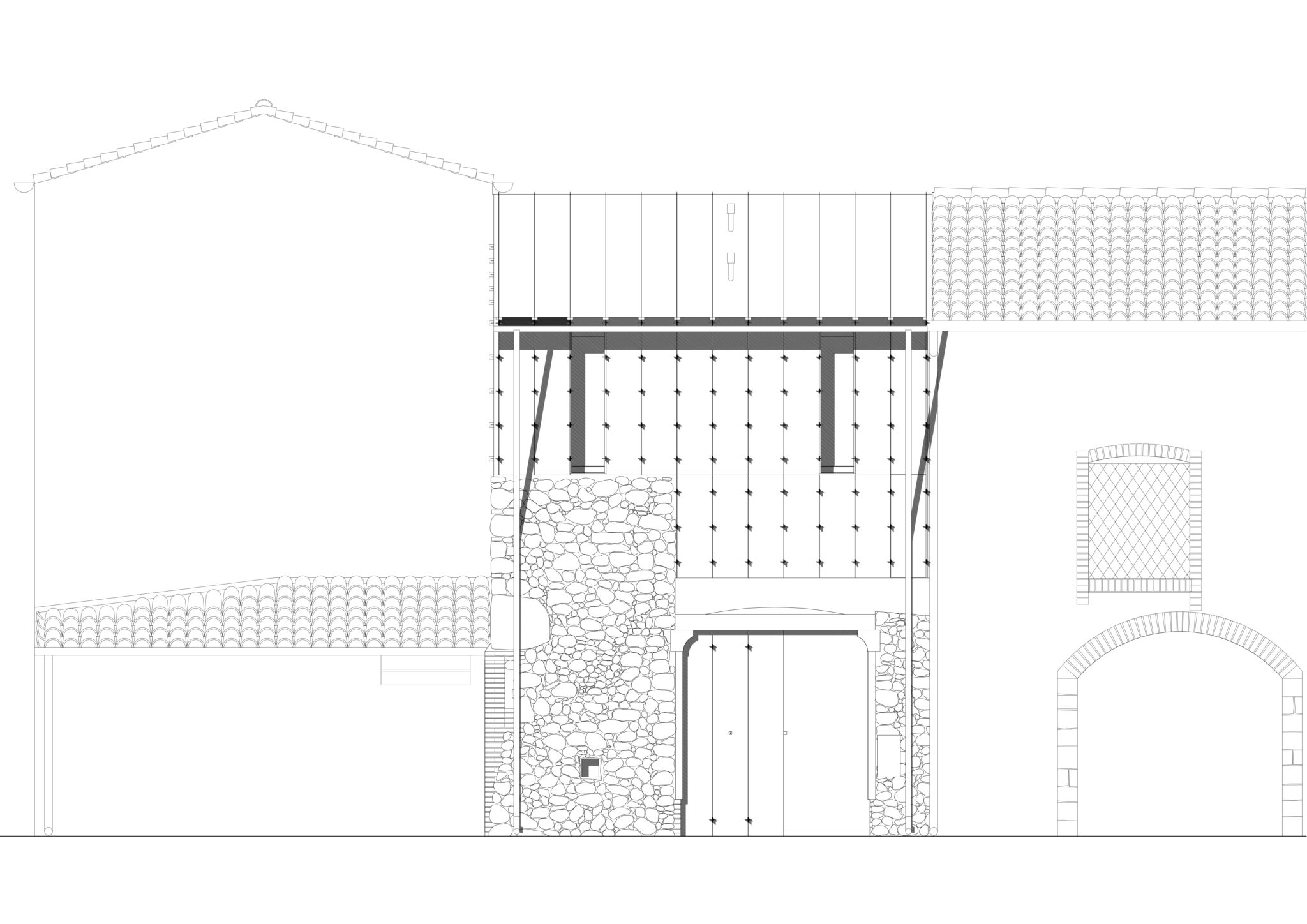
The house is defined by its two contrasting façades. To the north, a more enclosed elevation faces a shared courtyard, offering privacy and insulation. To the south, a fully glazed façade opens generously onto a private garden, drawing natural light deep into the interior and strengthening the connection with the landscape. This dual orientation shapes both the environmental performance and the lived experience of the home.
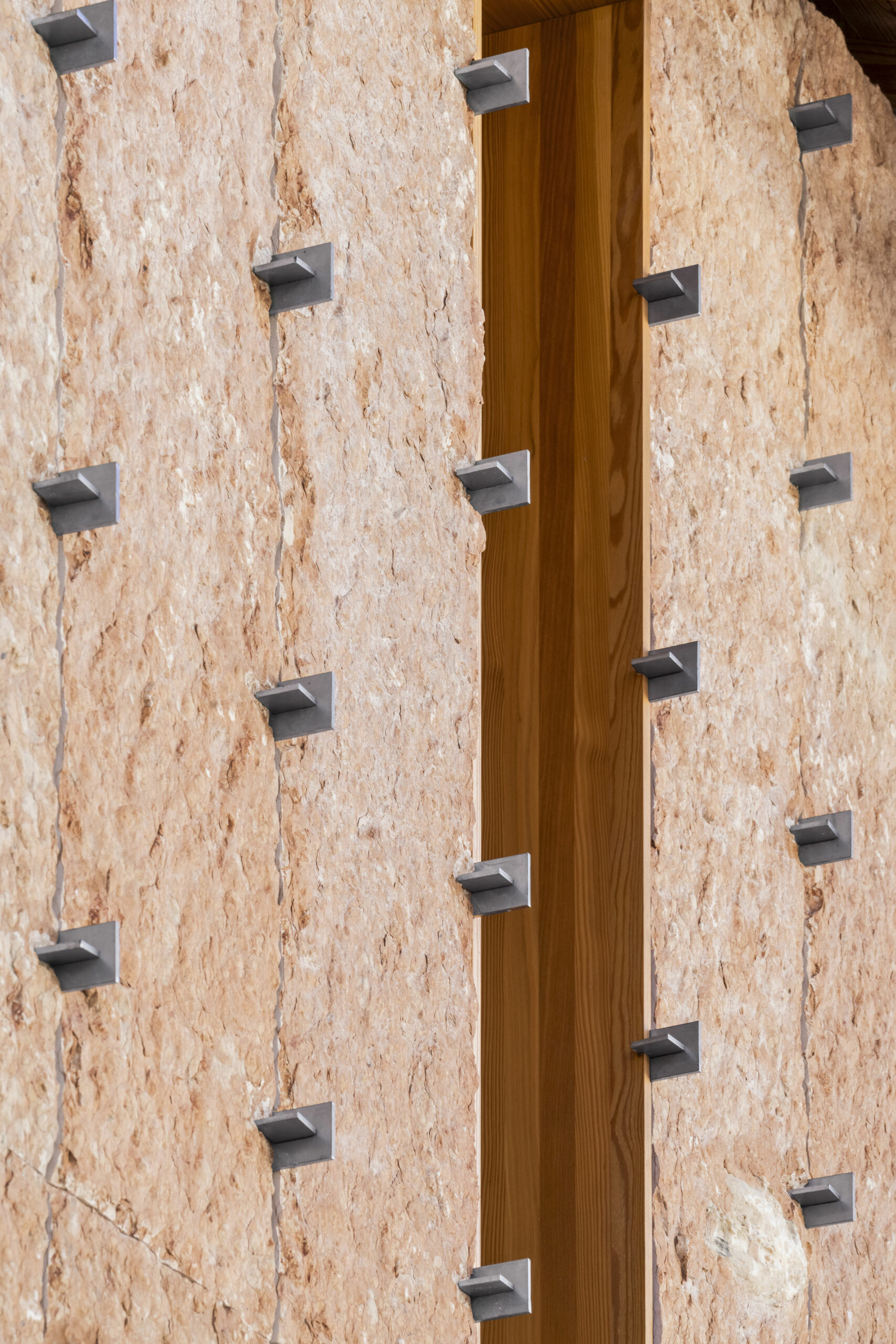
At the core of the project lies a hybrid structural strategy. A new timber framework is interwoven with the existing stone walls, creating an earthquake‑resistant system in which both materials support and stabilise one another. The design pushes the limits of timber construction: pillars with sections as small as 3 × 3 cm are reinforced through a series of interlocking horizontal elements—referred to as “wood combs”—that enhance rigidity and streamline assembly. The staircase, conceived as an active structural component, provides lateral bracing where stone is absent, with each step following the same 3 cm modular rhythm that governs the entire building.
The construction process itself departs from convention. Rather than rising floor by floor, the structure was assembled from north to south, respecting the strict modular system that orders every element. This repetition becomes an architectural language in its own right, transforming structural necessity into ornament.
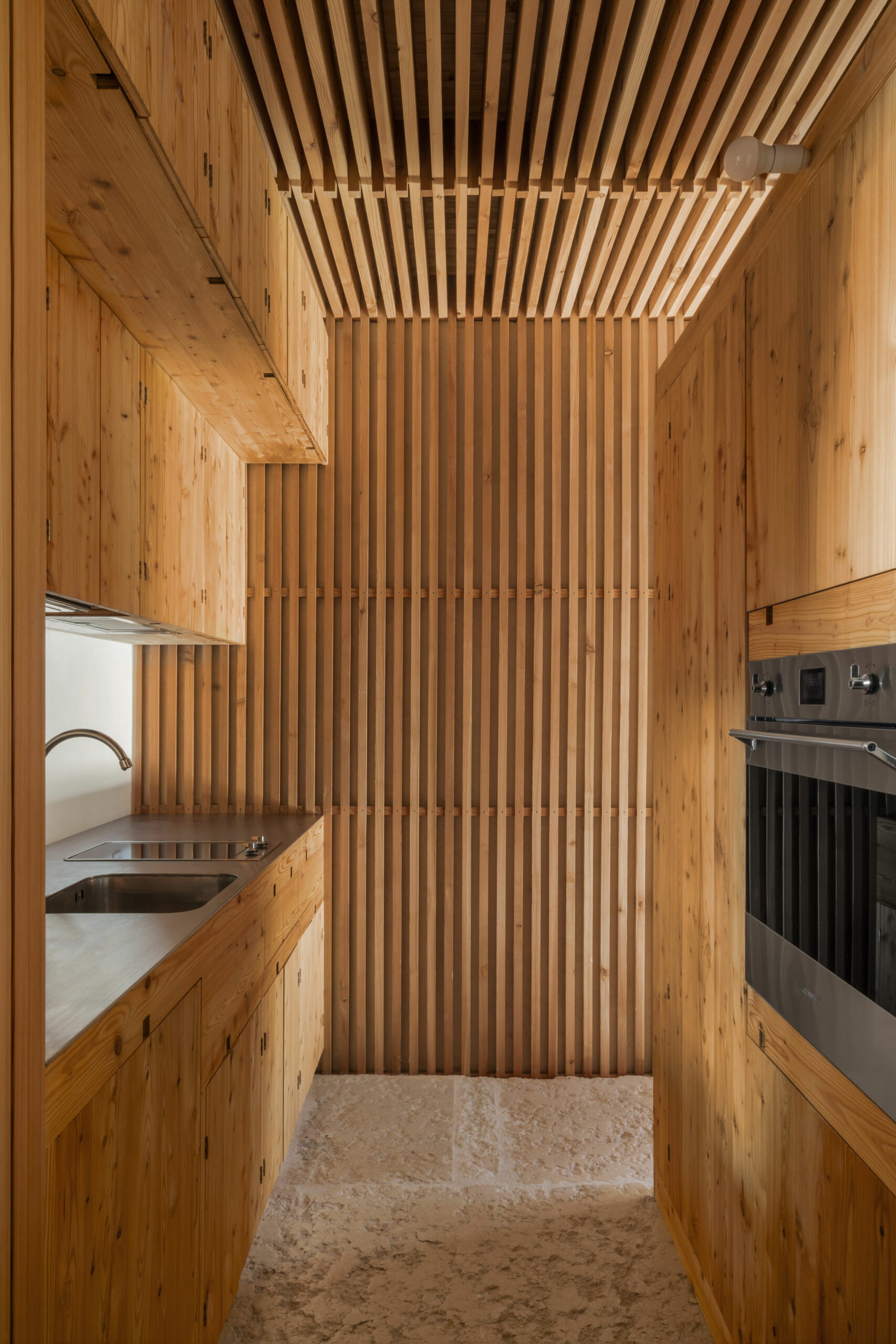
The ground floor is organised according to climatic logic: the kitchen occupies the cooler northern side, while a central block of fixed furniture shapes the spatial sequence and introduces a degree of privacy. The upper level contains the bedrooms and bathroom, with a glazed façade that echoes the pattern of the ground floor and projects slightly towards the garden. A striking six‑metre‑high glass panel alongside the staircase accentuates the verticality that characterises the interior.
Materiality anchors the project to its context. The main façade is clad in dry‑laid Prun stone, a direct reference to the vernacular architecture of the Lessinia region. Subtle imperfections resulting from the self‑construction process lend the house an authentic rural character, reinforcing its connection to place.
Larun House stands as a careful balance between past and present, precision and warmth, structural rigour and domestic intimacy. It is an architecture shaped by modular repetition, yet lived through light, texture, and the quiet presence of the surrounding landscape.
Premio Giovane Talento dell’Architettura Italiana 2025. Special mention.
- Architecture: Zarcola Architetti (Edoardo Giancola & Federico Zarattini)
- Engineering / Consultants: Opera Mista Srl, Brescia, Structural and engineering services
- Photography: DSL Studio (Delfino Sisto Legnani & Alessandro Saletta)