Incubazul Base Area: High-Tech Incubator/
Carquero Arquitectura

Project Details

Location(City/Country):
Cádiz / Spain
Tipology:
Offices
Year (Design/Construction):
2019 / 2025
Area (Net/Gross):
1955.33 m2 / -
Operational Carbon emissions (B6) kgCO2e/m2/y:
-
Embodied Carbon emissions (A1-A3) kgCO2e/m2:
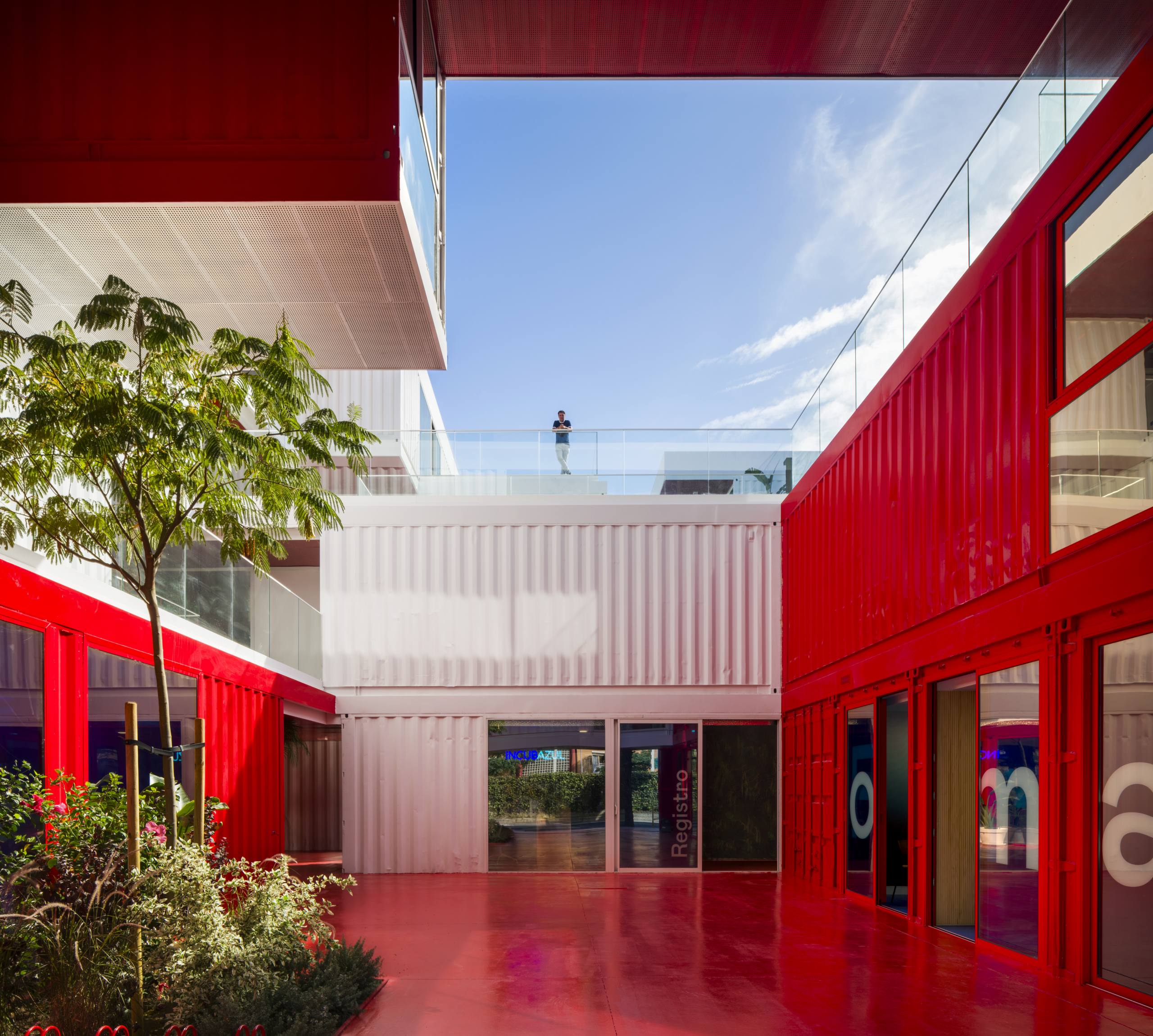
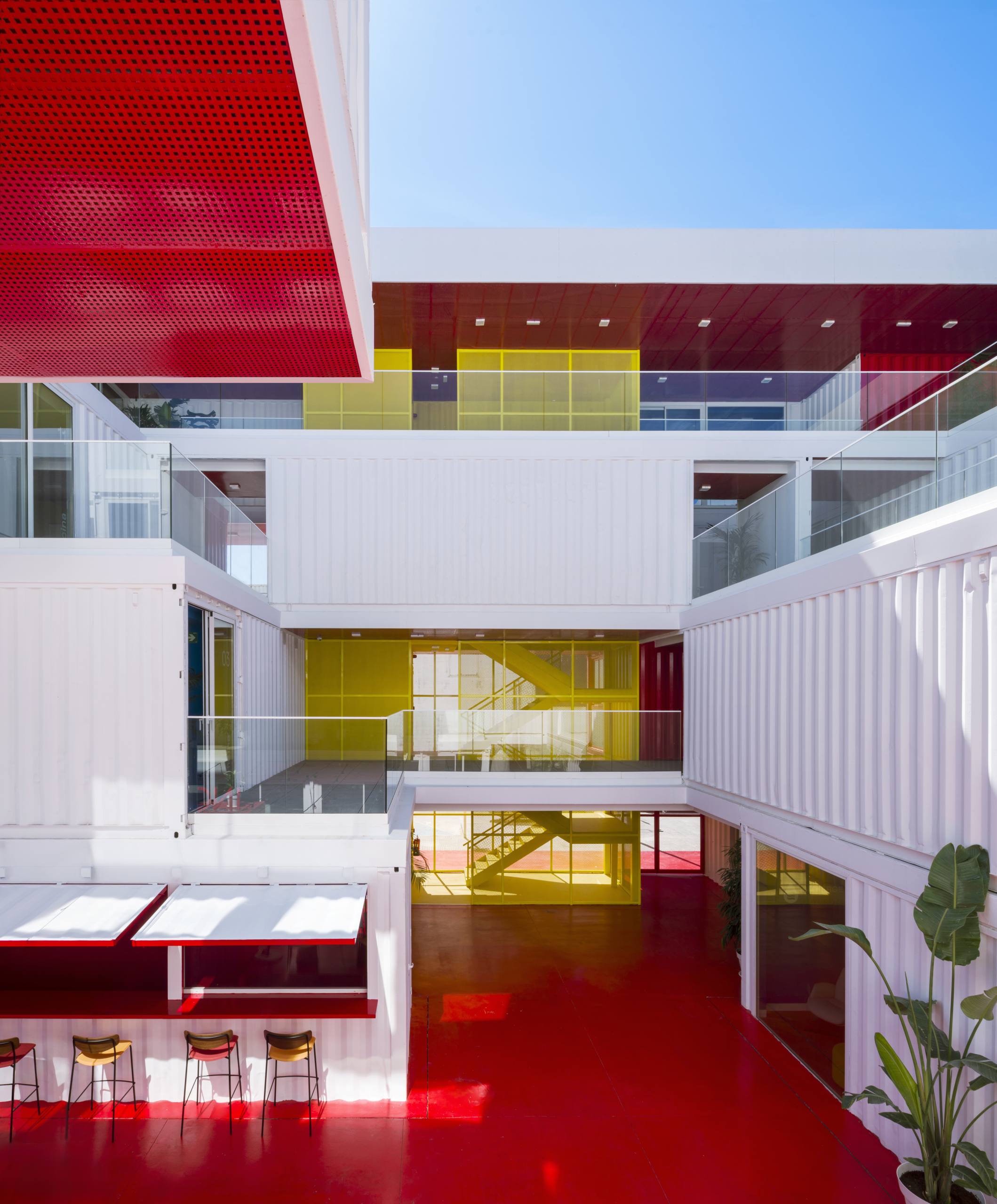
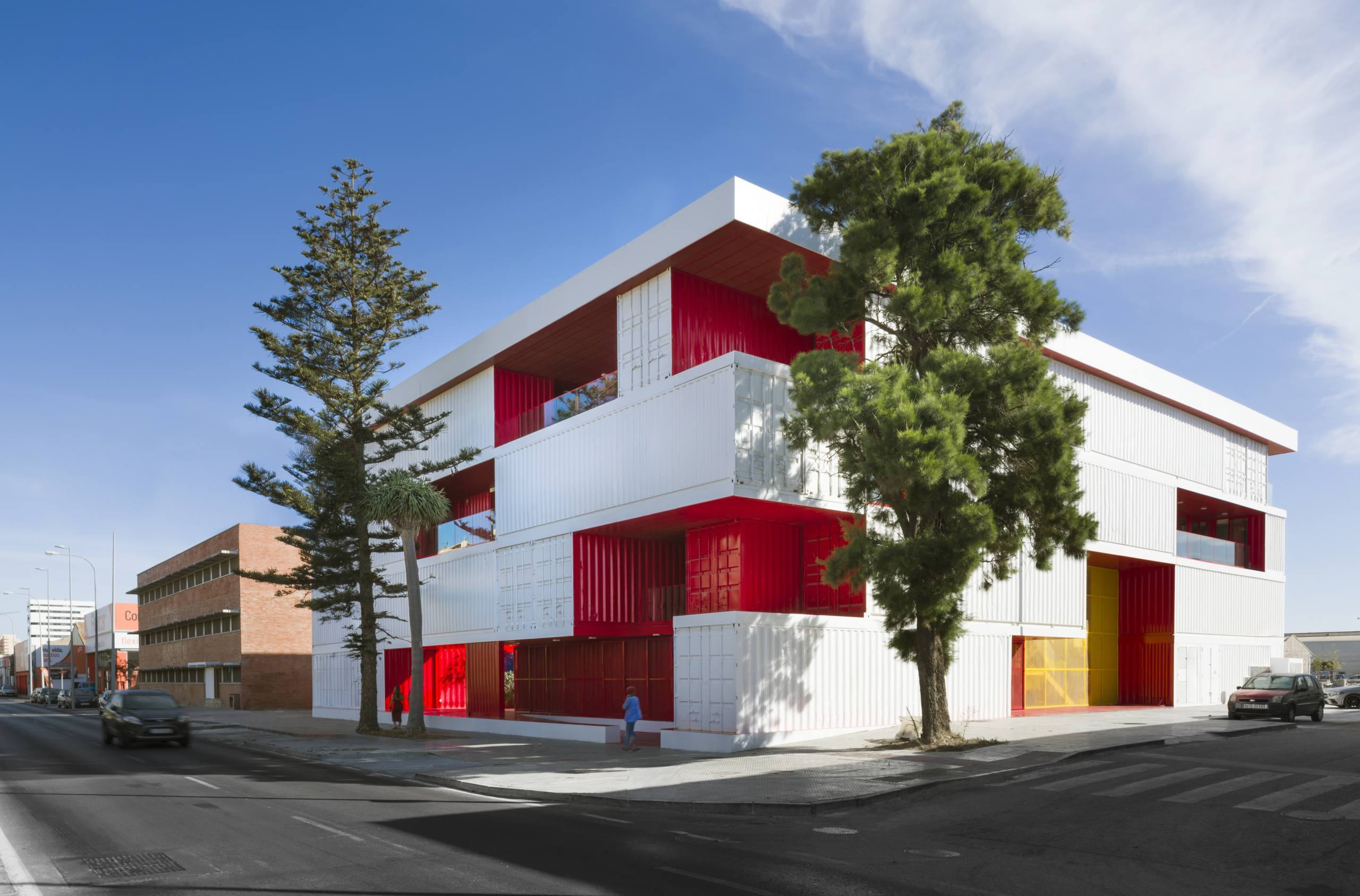
-- The project repurposes shipping containers, extending their lifecycle and reducing embodied carbon while transforming industrial waste into valuable architectural fabric.
- The building is conceived as an autonomous energy system, integrating renewable sources to minimise reliance on external supply and lower operational emissions.
- Beyond construction techniques, the design embraces ecological, social, and urban dimensions, acting as a catalyst for revitalising an obsolete industrial area.
- Flexible layouts, natural lighting, and acoustic optimisation create healthier work environments that balance privacy with community, enhancing wellbeing and productivity.
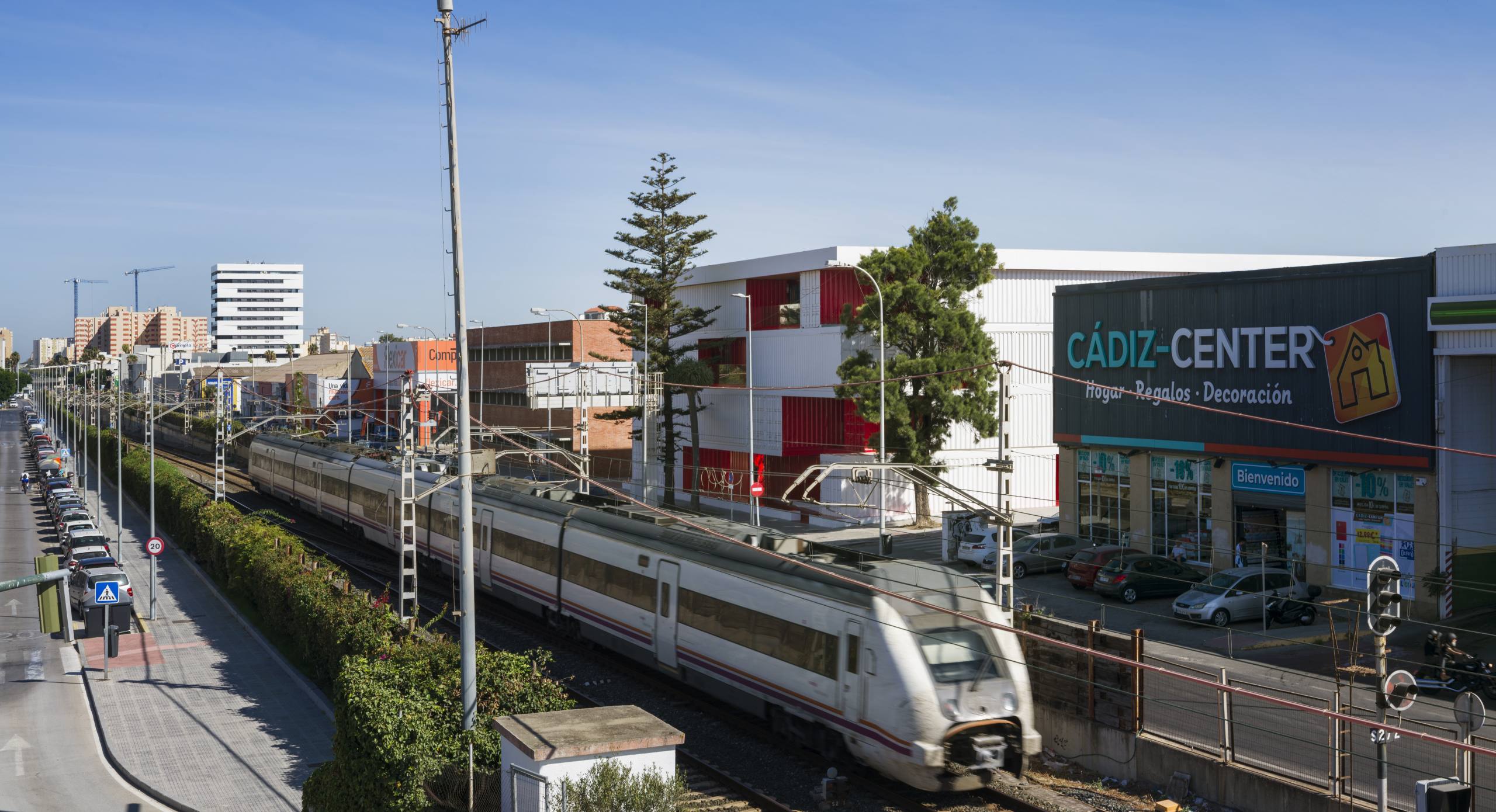
The project aims to initiate the transformation of the industrial area of Cádiz from its very heart, paving the way for its future connection with the rest of the productive fabric. It is based on a concept that differs from traditional industry, which makes the level of commitment and the opportunity to revitalise an obsolete yet essential area for the city truly significant.
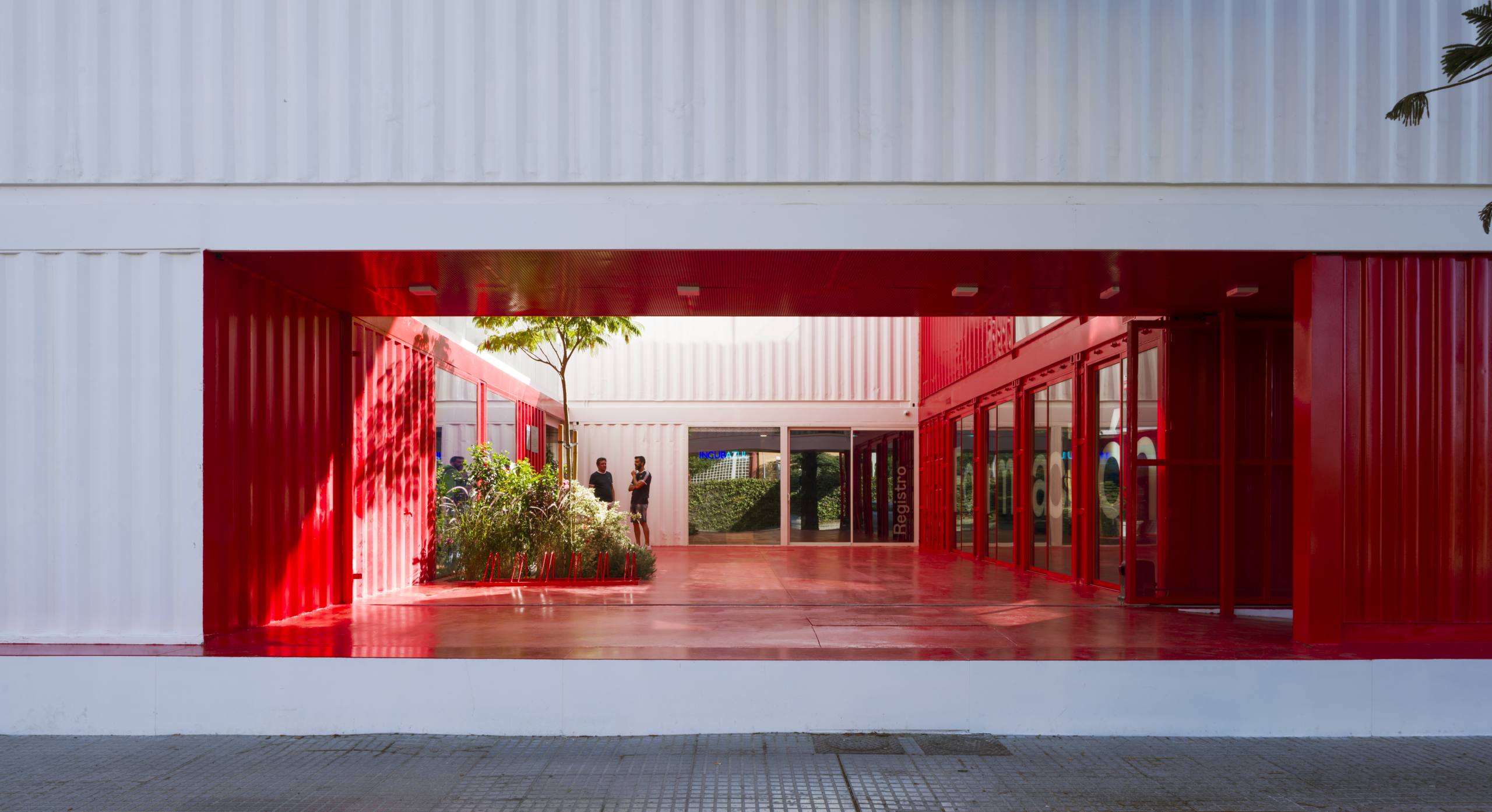
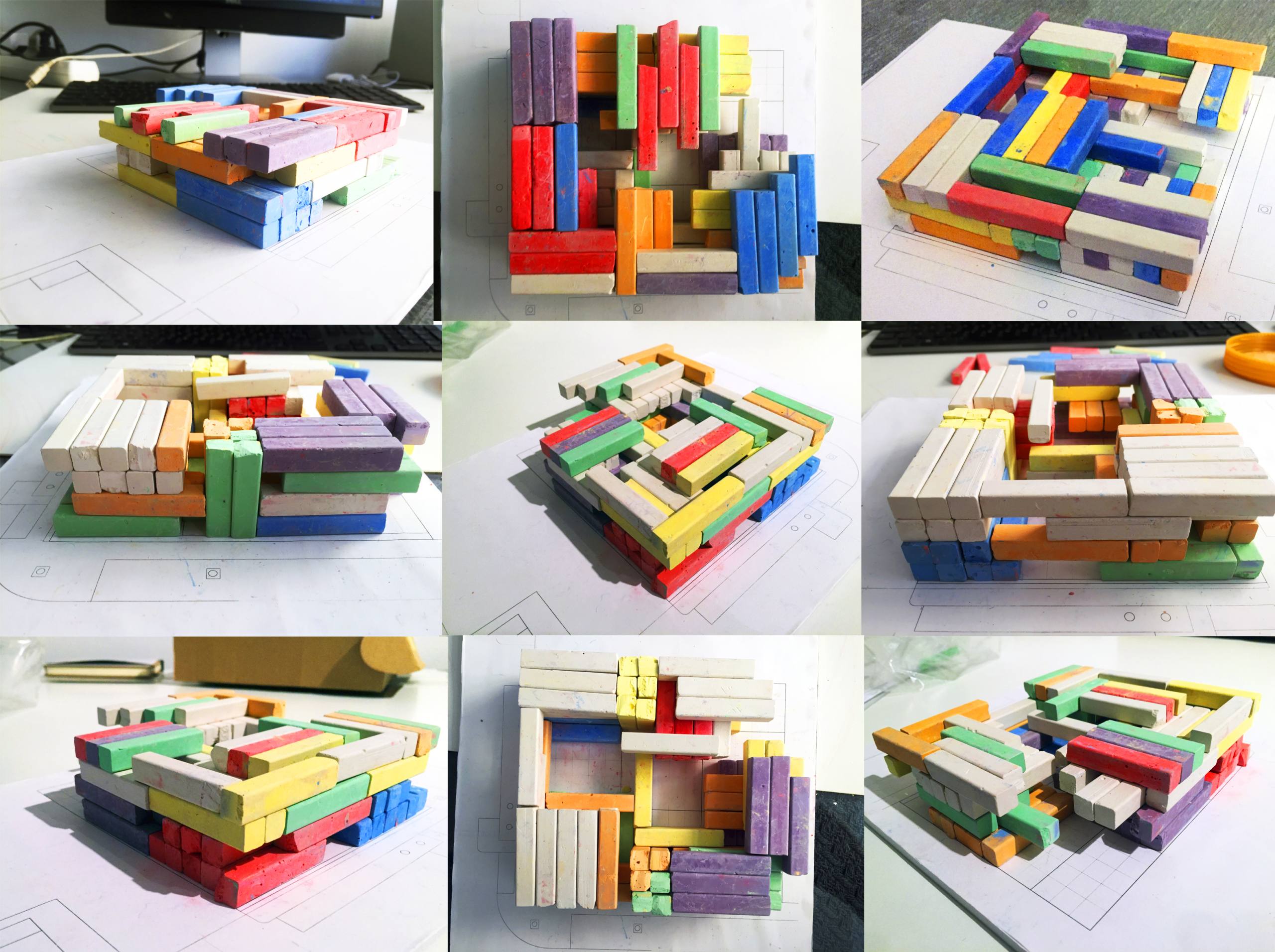
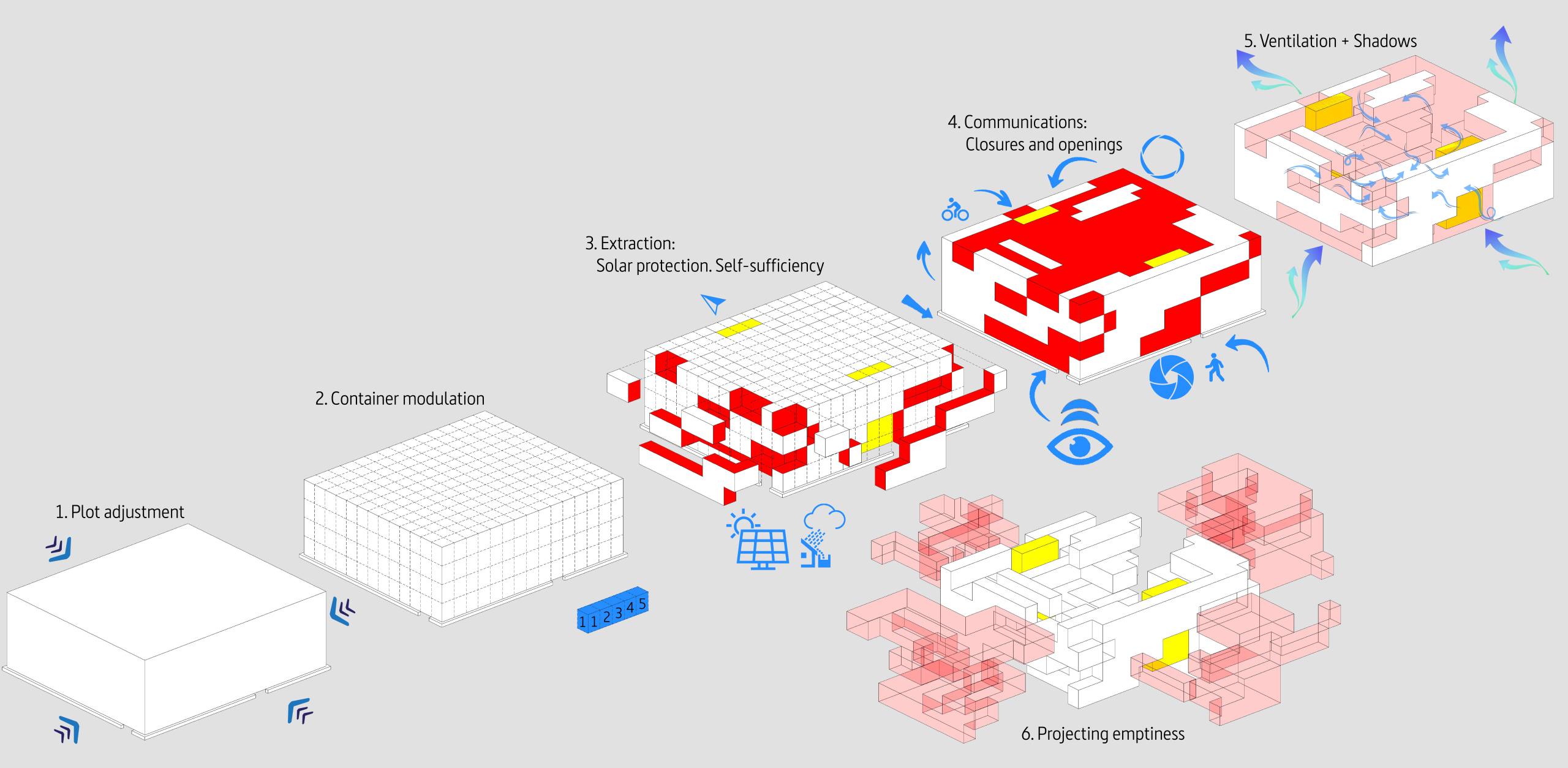
It is based on the reuse of shipping containers within an architecture of a holistic nature, where the approach to sustainability is global and comprehensive, going beyond any single constructive solution. The proposal envisions the creation of an energy self-sufficient building. In this project, fullness is conceived as the result of shaping emptiness.
The strength of the proposed programme calls for an inspiring architecture—one that captures the city’s attention, that is evocative, motivating, and stimulating, and that creates social impact. We conceive the project as a form of urban acupuncture, given all the synergies and social “ecology” it can generate in terms of sustainability—urban, ecological, and social.
It is essential to endow the proposal with an iconic, recognisable, and appealing character. Considering variables such as lighting, acoustic insulation, and the relationship between workstations and spatial layout allows for optimising business performance while ensuring user comfort. The activities will at times require greater concentration and at others active interaction among participants, fostering the development of collaborative processes.
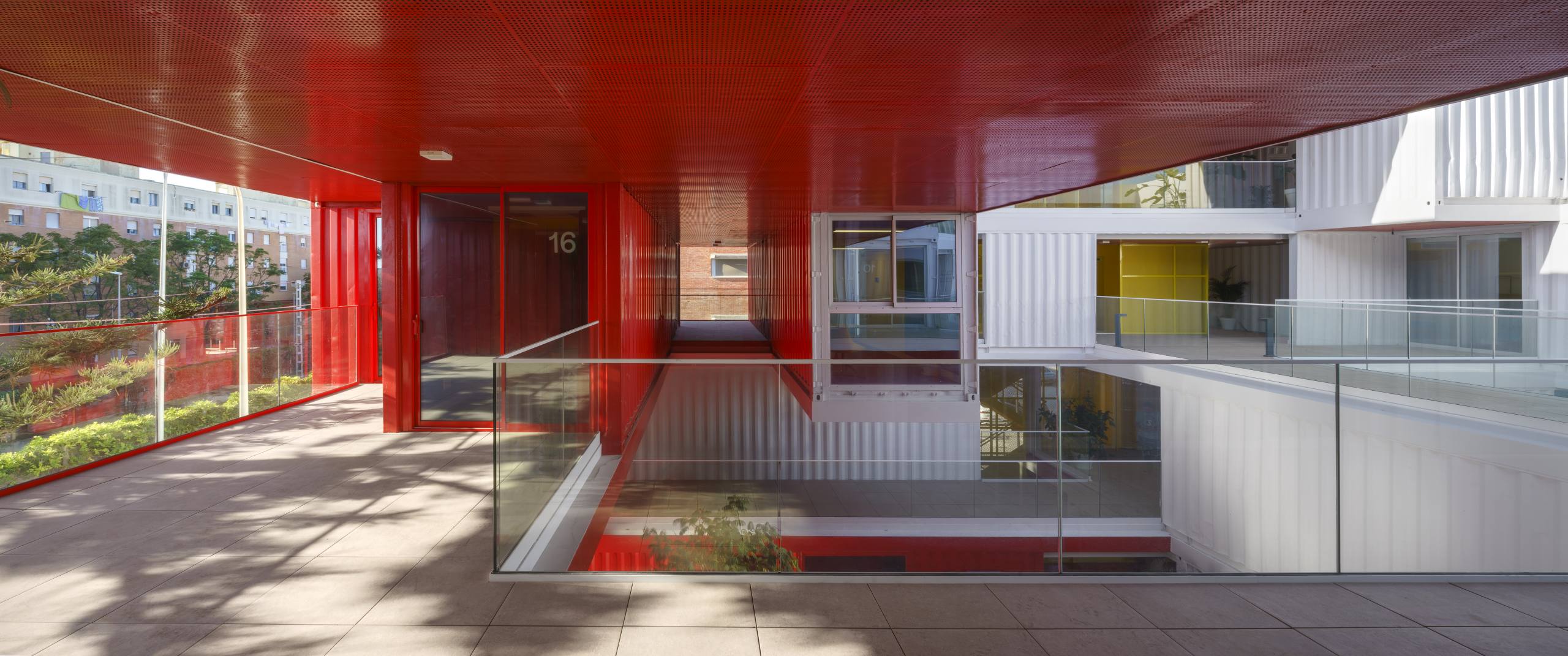
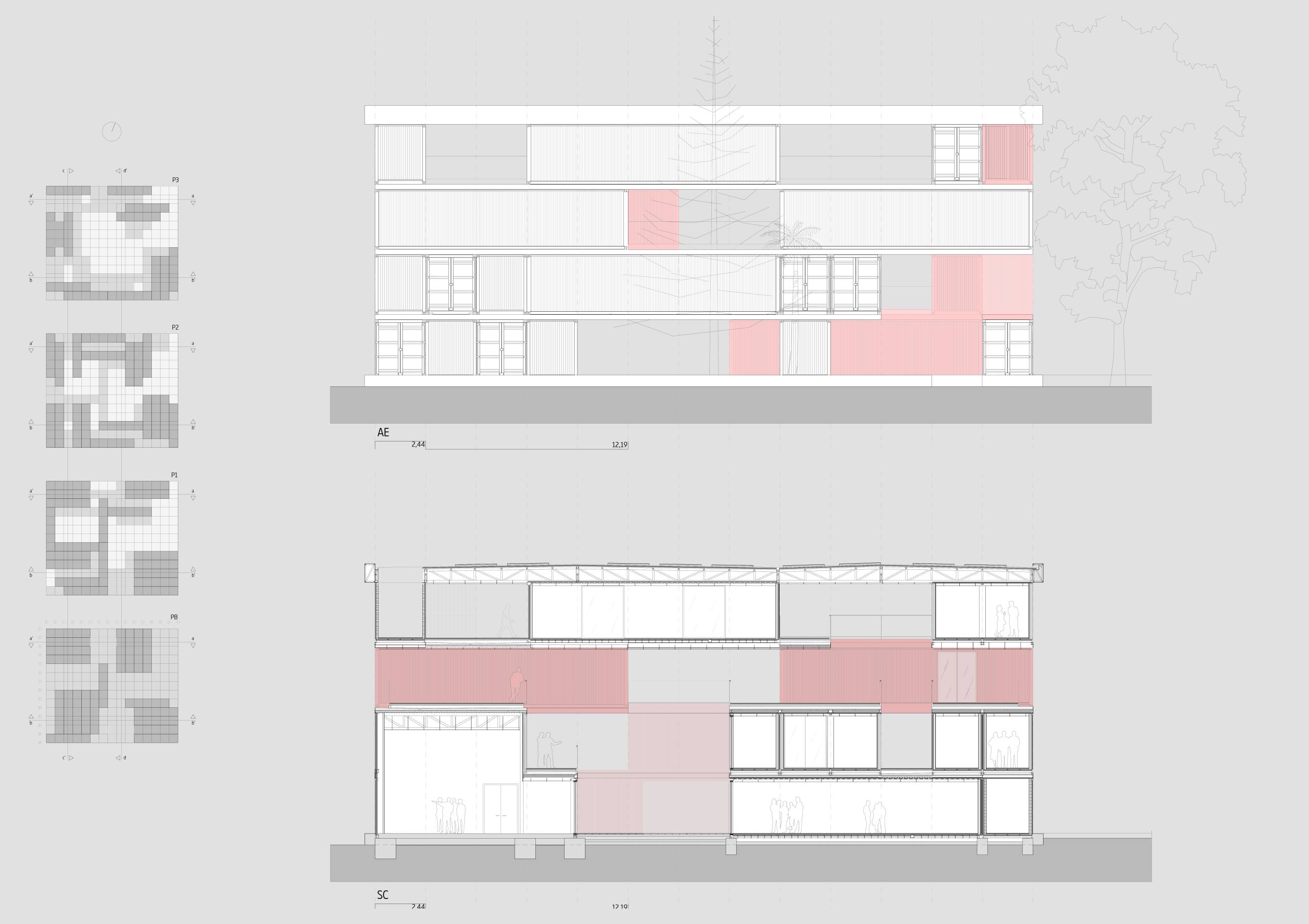
We propose creating expressive and specific spatial configurations—versatile spaces for various working situations and potential events—always allowing visual connection through the permeable façade and openings that blur the boundary between interior and exterior.
A particularly favourable setting is proposed for the development of a shared economy and interpersonal relationships. The spatial richness of the volumetric arrangement enables a flow of common elements that establish a spatial network of connections and dynamism, aiming to become centres of talent and skill that engage with the city. We propose fragmenting the building and making it permeable — transforming the space into a psychologically more comfortable place to work.
Privacy and community are redefined within the office workspace. The challenge lies in enabling two distinct worlds to coexist in the same environment: the duality between enclosed spaces—where silence and concentration are key—and communal areas, where flexibility and versatility bring out their full dynamism. The space would include collaborative workstations, private offices, meeting and training rooms, a shared relaxation area, a café, bicycle parking, and privileged views, making work a truly inspiring experience.
- Architects: Carquero Arquitectura (Carlos Quevedo Rojas / Carlos Peinado Madueño / Fernando Prieto Coronel).
- Promoter: Delegación Especial del Estado en el Consorcio de la Zona Franca de Cádiz.
- Technical architects: Pardo y Asociados.
- Collaborators: 180º Norte / Calconsa Estructuras / Abima Instalaciones
- Construction: Manzano Obras.
- Photographer: Jesús Granada